Light spoilers follow for VisionQuest.
No Marvel movie trilogy is perfect. That might sound like a loaded statement, but ask any Marvel Cinematic Universe (MCU) fan and they'll concede that even the franchise's gold standards — the original Captain America films, or Guardians of the Galaxy movie series, to name just two — have flaws.
So, it falls to Marvel's TV show department to show its big-screen counterpart how to deliver a truly complete arc. And, with two acclaimed entries — WandaVision and Agatha All Along — under its belt, the Wanda/Vision TV trilogy only needed to stick the landing with a strong, final act to stake its claim as the MCU's best three-part story.
Thankfully, VisionQuest does exactly that, delivering a scintillating slice of superhero science fiction, and a surprisingly deep and emotionally resonant conclusion to the Wanda/Vision Saga.
Paranoid android
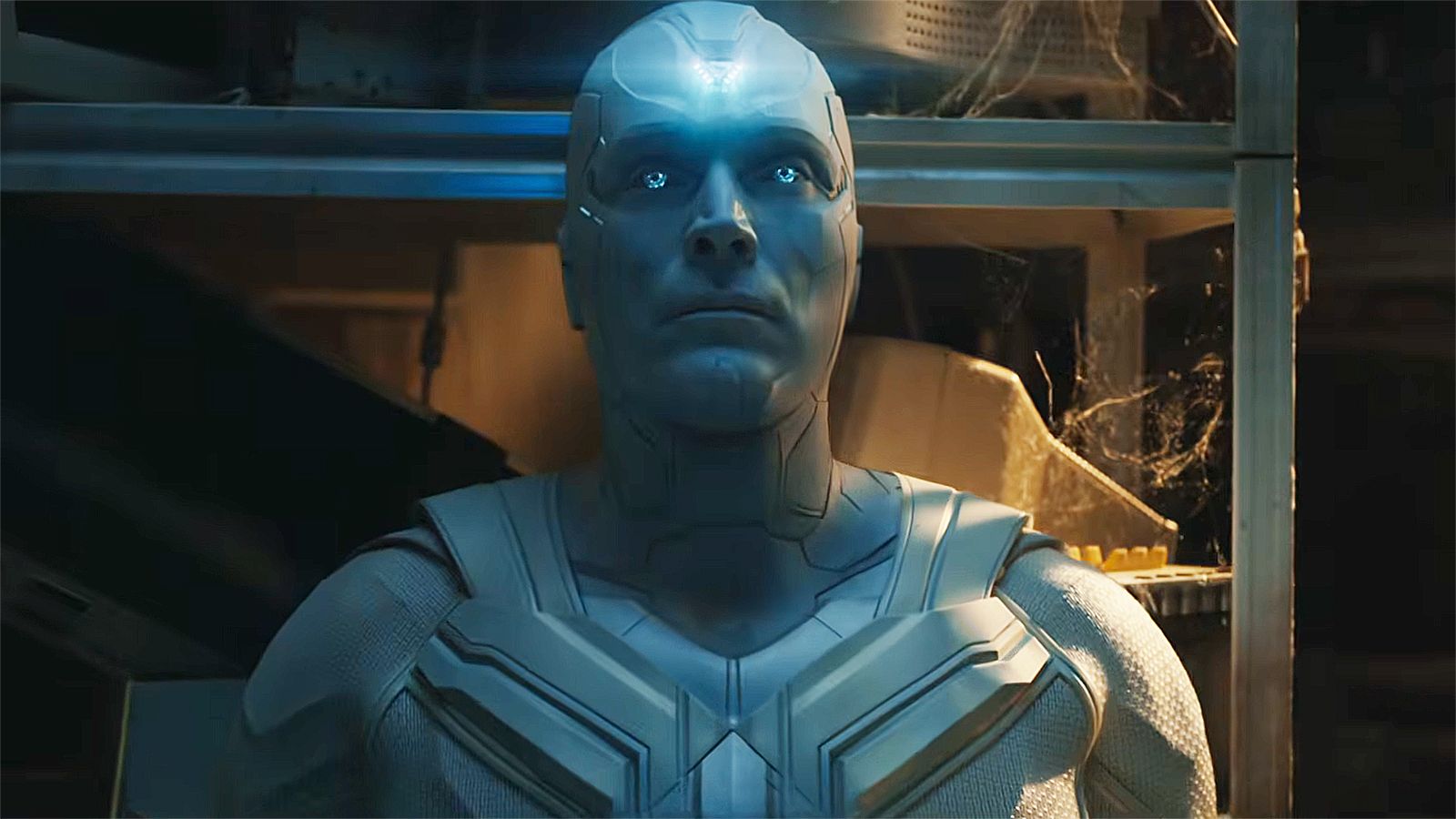
Set some time after WandaVision's finale, VisionQuest reunites us with White Vision (Paul Bettany), the reanimated, blank-slate synthezoid rebuilt by S.W.O.R.D after Thanos destroyed the original. Now laying low in Edinburgh as a bartender named Sherwood, he's grappling with a severe identity crisis, caught between his vacuous programming and the restored memories of his past life.
Searching for purpose, Vision has turned inward and now consults the AI programs embedded in his programming, including Ultron (James Spader), whose leftover code lingers in Vision's system.
Bettany thrives on the material he has to work with
Unfortunately, his peaceful existence is about to be interrupted.
Hunted by Paladin (Todd Stashwick), a mercenary hired by a mysterious client who wants his highly-advanced tech, Vision's quiet life is further upended when he meets Thomas Shepard (Ruaridh Mollica), a thief claiming to be one of Vision and Wanda's twin sons. Forced to go on the run, Vision must evade capture, uncover the truth about Thomas, and resist Ultron's insidious influence.
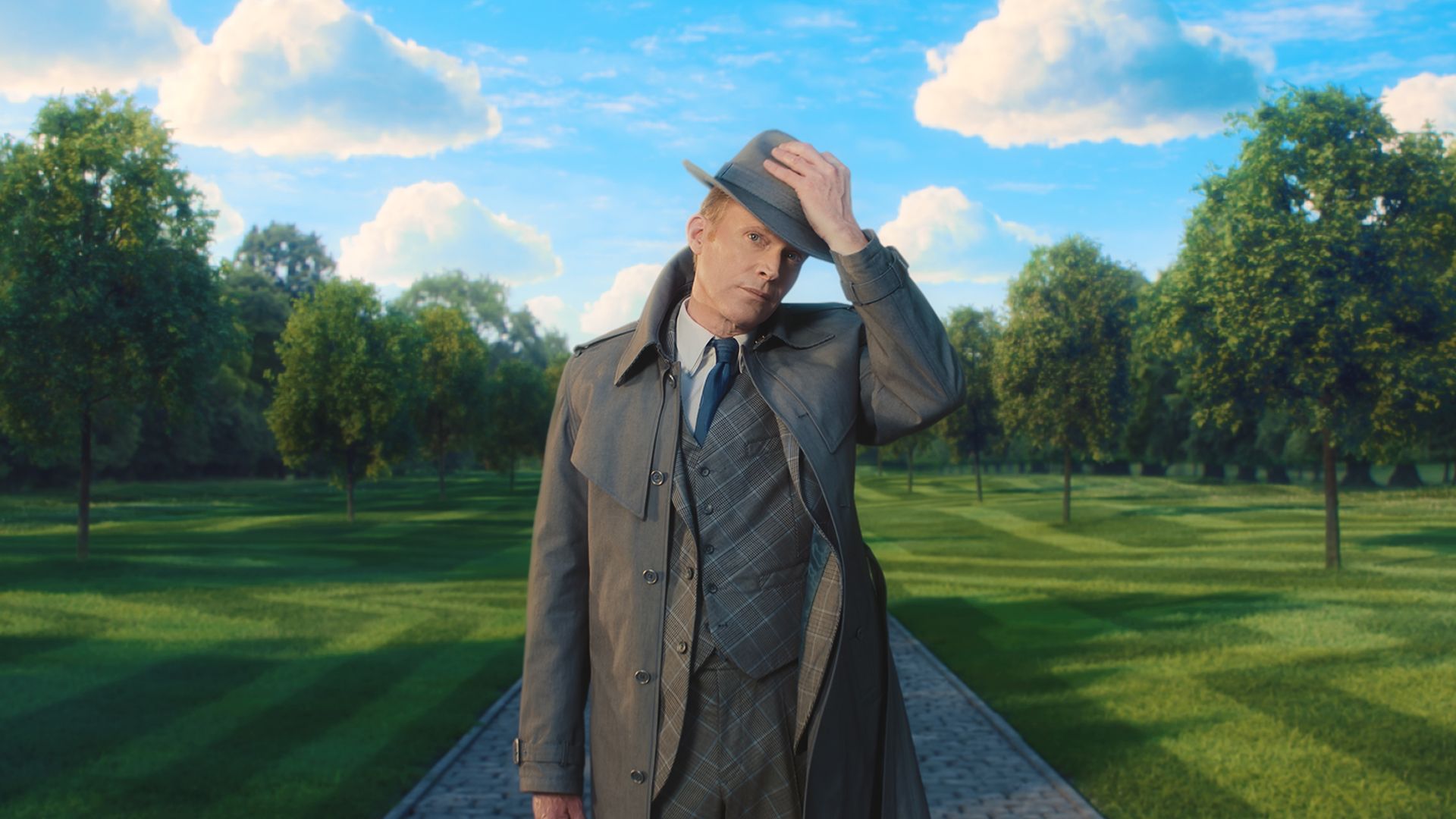
After 12 years portraying Vision, Bettany has more than earned his shot at leading a solo project that not only lets him shine, but add profound substance to the synthezoid.
Armed with his obvious talent, and clever scripts from showrunner Terry Matalas and his writing team, Bettany thrives on the earnest, amusing, mind-bending, and occasionally sinister material he has to work with.
There's a strange delight in seeing this side of Vision fully unleashed
Crucially, as this Marvel Phase 6 show reminds us, this isn't quite the Vision we knew, but a repurposed and weaponized Re-Vision (if you will) of the original — and Bettany plays the uncanny shift brilliantly.
Indeed, he delivers a striking performance as a morally gray Vision, whose emotional turmoil gives rise to a colder, darker version of the character that strays dangerously into Ultron 2.0 territory more than once. Yet there's a strange delight in seeing this side of Vision fully unleashed on his foes, delivering some unexpectedly bloody, brutal beatdowns along the way.
Only highlighting his ruthless streak would be a disservice to the depth Bettany brings, though.
Given the performances of VisionQuest's terrific supporting ensemble, of which the spellbinding Spader is the clear highlight (more on him shortly), I initially worried that Bettany would be upstaged in his own show. Those fears were completely shattered by his mesmeric, commanding display in the penultimate episode — a chapter that, major spoilers notwithstanding, makes Bettany's infamous dual-acting scene in WandaVision's finale feel like small fry.
Father and son
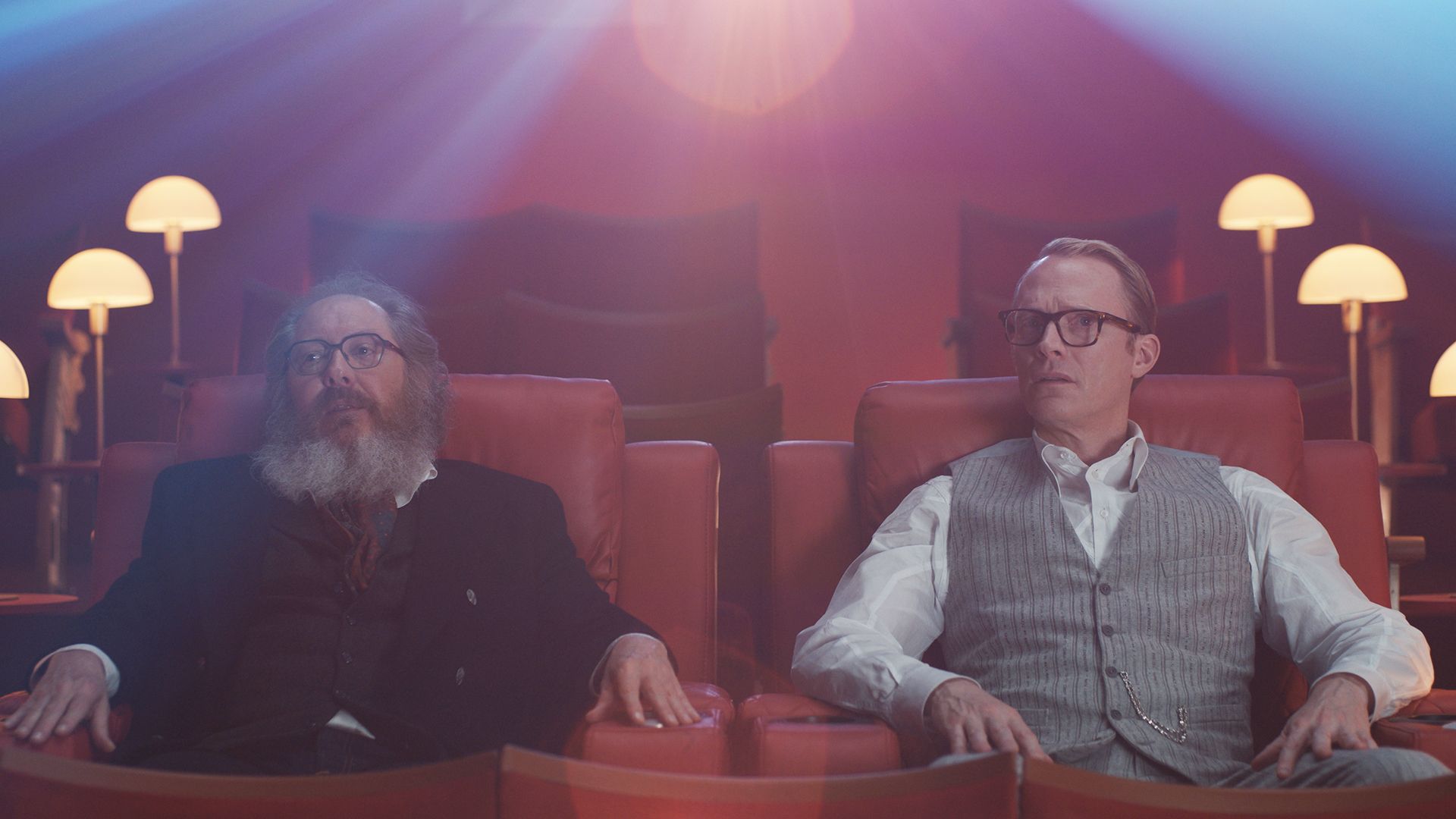
While VisionQuest is naturally positioned as a Vision-first story, it wouldn't have worked as well without the scene-stealing Spader.
Spader is an utter delight from the outset
Reprising his role 12 years on from his only MCU appearance, in Avengers: Age of Ultron, Spader is an utter delight from the outset. Ultron's abrupt death was a sore point for fans wanting more of Spader's sassy, loquacious, and menacing android in the MCU, and VisionQuest gives him the chance to chew the scenery again, with a multifaceted performance that keeps you guessing about his true motives at every turn.
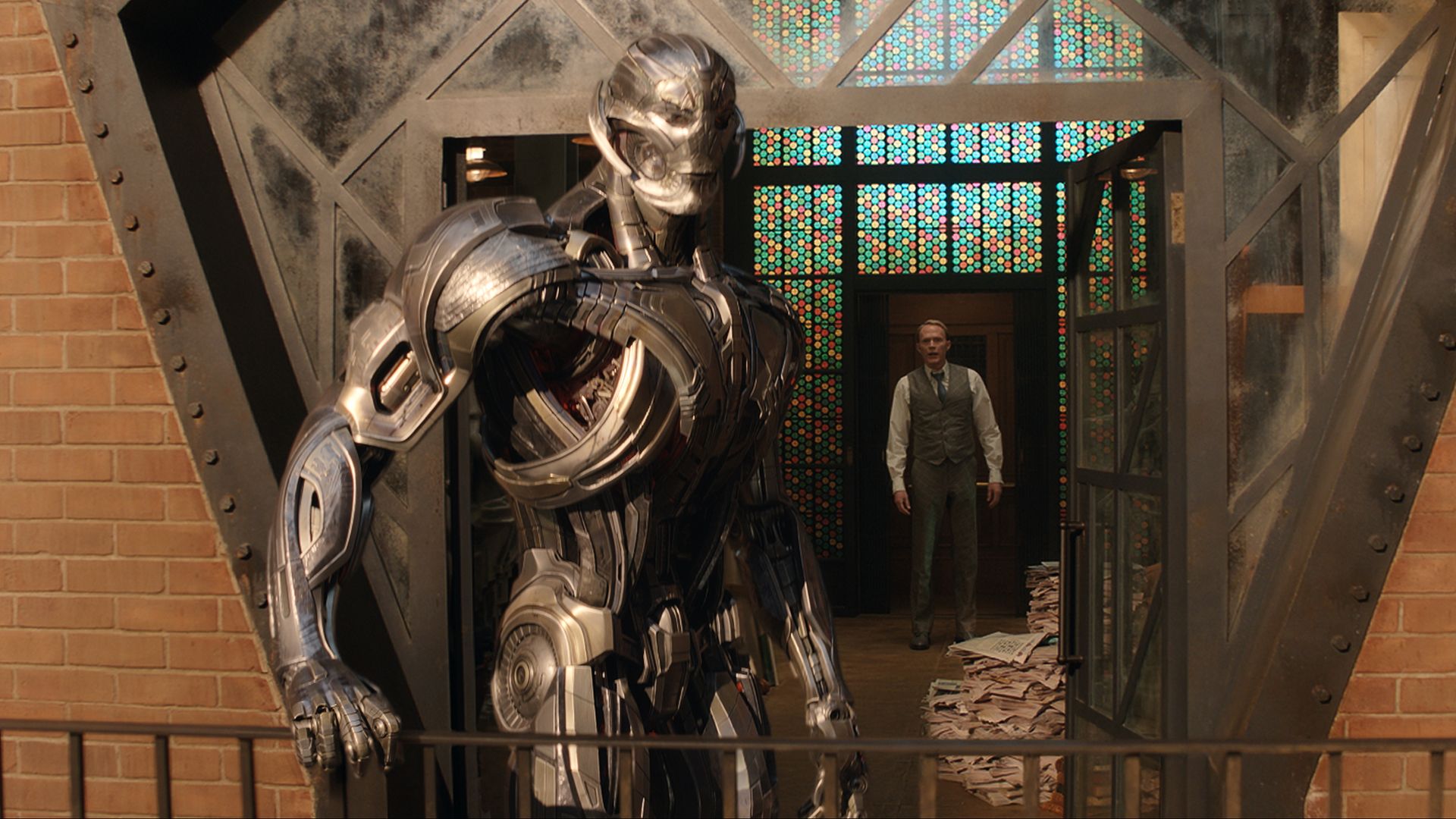
As the proverbial family misfit of Vision's surrogate AI clan, and the button-pushing devil on Vision's shoulder, Ultron's modus operandi remains grounded in manipulation. Yet, despite his destructive father-figure tendencies, there's far more to this version of Ultron than meets the eye — a depth that truly reveals itself whenever Spader and Bettany share the screen.
VisionQuest gives Bettany and Spader room to fully unpack the complexities of Vision and Ultron's paternal bond
Their brief, piercingly philosophical exchange in Age of Ultron already teased their sharp dynamic, but an eight-part series gives Bettany and Spader room to fully unpack the complexities of Vision and Ultron's paternal bond.
Indeed, there's a genuine earnestness to their paradoxically human conversations, which carry the weight of a two-hander Shakespearean tragedy. And, while their odd-couple partnership offers plenty of welcome levity, it's the soulful, quiet segments that ultimately left the biggest impression on me.
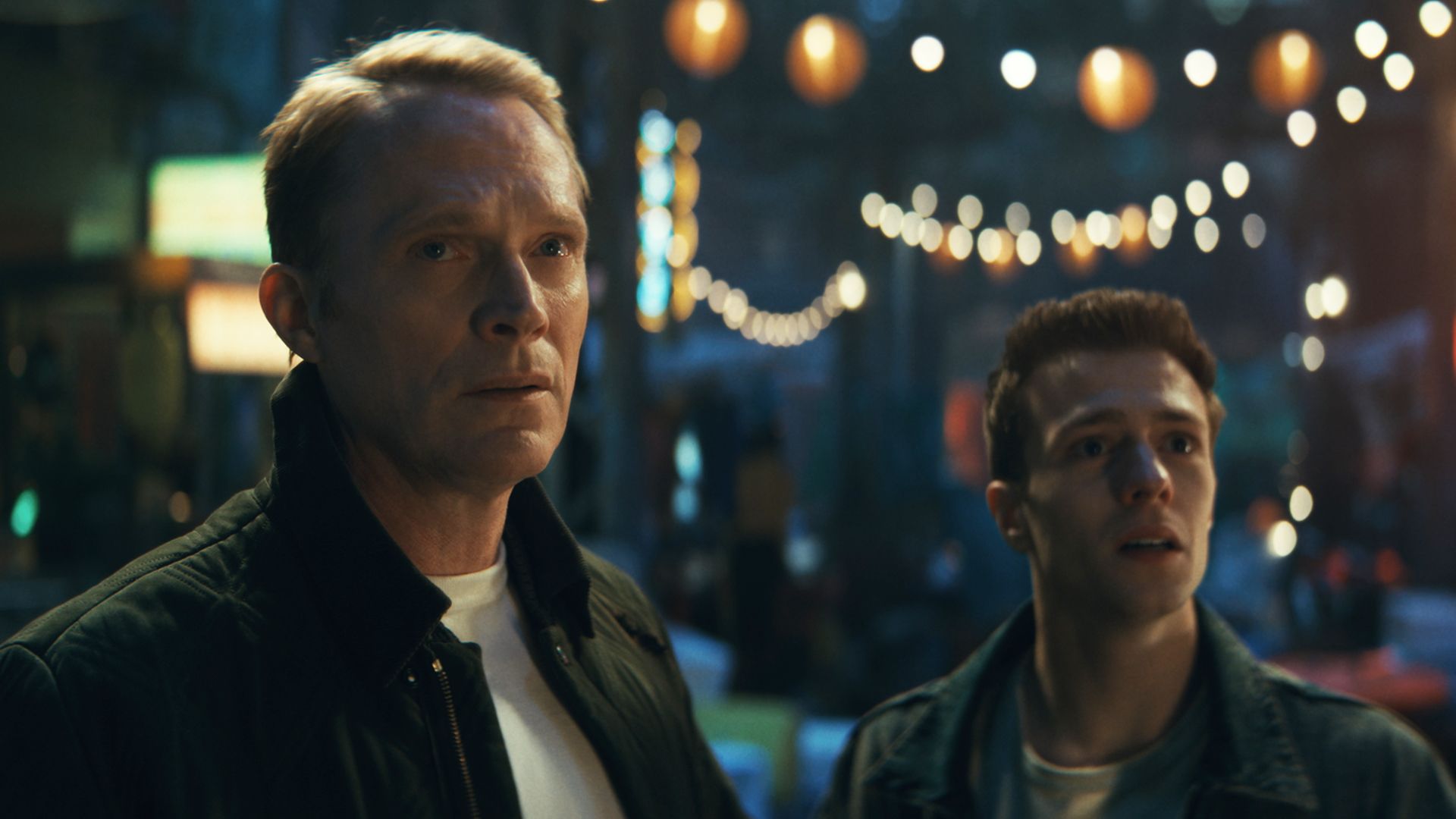
The bond between Bettany's Vision and Mollica's charismatic yet anguished Shepard receives a similarly compelling, if slightly less expansive, exploration.
Driven by striking parallels in their search for identity, their dynamic is equal parts melodrama, humor, charm, and raw sentiment. Bettany and Mollica capture the ill-equipped dad and parentally unanchored son with real nuance, fitting seamlessly into VisionQuest's overarching study of intergenerational paternal trauma. Watching them navigate this fledgling family connection, and the trust that slowly takes root, is easily another of the Disney+ show's biggest strengths.
This modern glitch
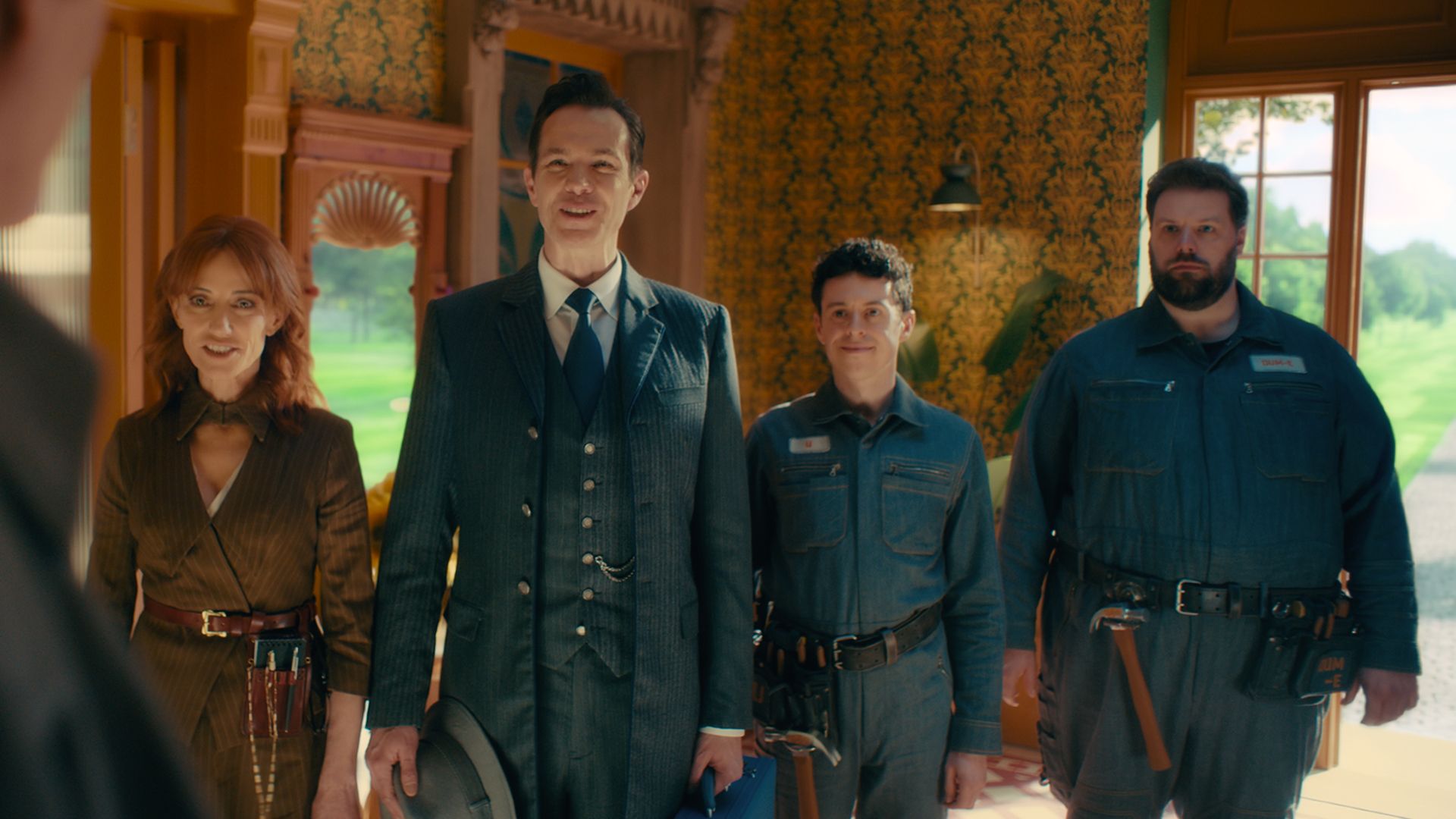
VisionQuest's long-form storytelling format affords it the time and space to explore Vision's AI family, even if it's fairly selective in terms of who actually gets the spotlight.
VisionQuest is fairly selective in terms of which AI characters actually gets the spotlight
The bubbly E.D.I.T.H (Emily Hampshire) is an easy standout among Vision's digital siblings, though lacks the complete character arc given to the overly cautious F.R.I.D.A.Y (Orla Brady). The rest of of the AI ensemble serves as comic relief — a role capably filled by Henry Lewis' D.U.M-E and Jonathan Sayer's U occupy — while James D'Arcy's J.A.R.V.I.S, is criminally underused, for reasons I can't reveal here in order to avoid spoilers.
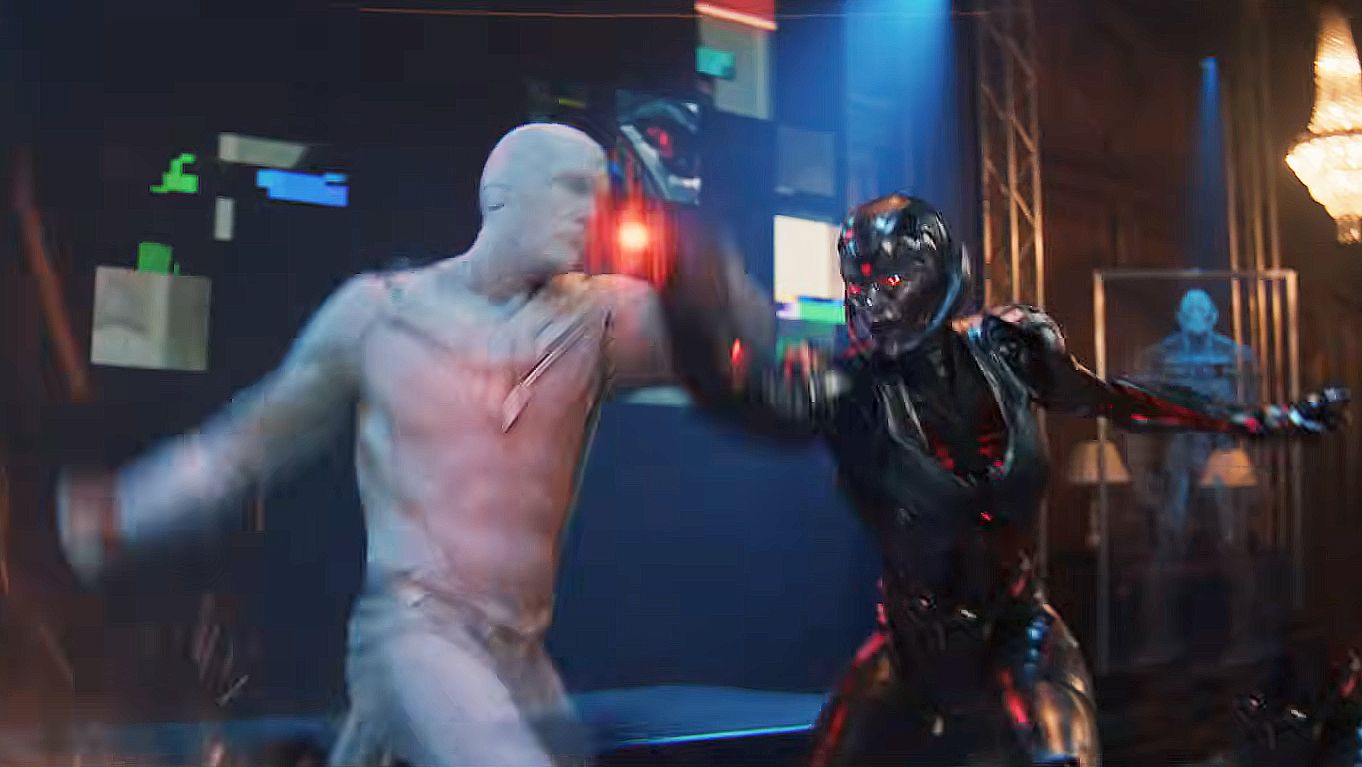
Fortunately, Jocasta (T'Nia Miller) doesn't suffer the same fate. Teased as one of four villains in VisionQuest's official trailer, this morally complex android plays a far more important role than I had initially anticipated.
I had concerns that separating Bettany and Spader's electrifying dynamic at VisionQuest's midpoint might impact its narrative impetus. However, Spader and Miller's captivating chemistry as misfits with a united goal quickly allayed those fears. Drawn together by a shared emotional void, their tragic, dysfunctional romance provides a bittersweet alternative to Bettany and Spader's dynamic that admirably fills the void.
Narratively, VisionQuest doesn't always hit the sweet spot
Narratively, VisionQuest doesn't always hit the sweet spot.
Todd Stashwick's cold and calculating Paladin makes for an intriguing threat early on, but he's disappointingly sidelined as the plot advances, which frustratingly leaves his backstory somewhat unexplored. Elsewhere, the show's first major plot twist lacks the heart-shattering impact it strives for, while a few tense midseason beats are undermined by jarring editing choices.
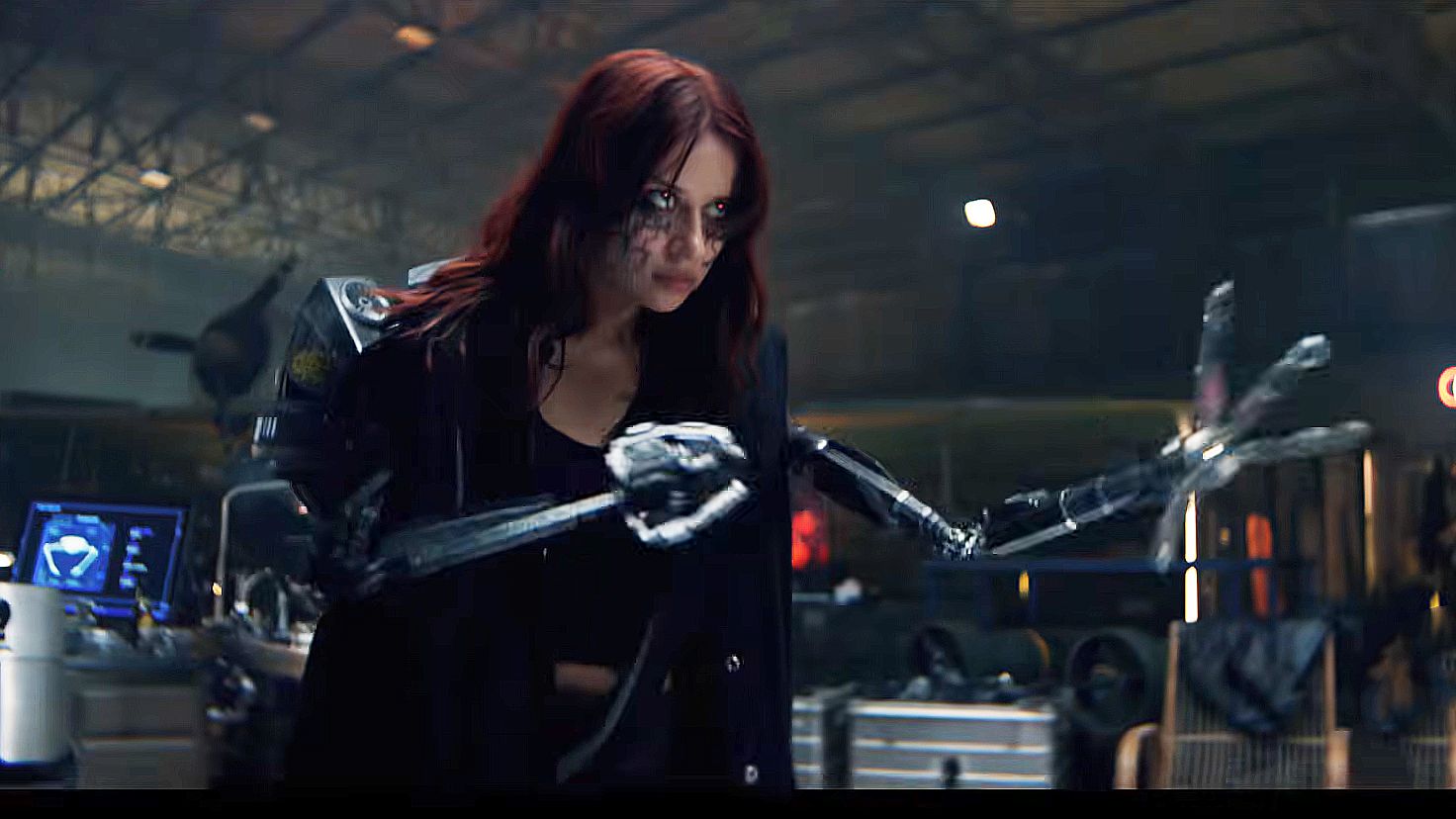
By contrast, VisionQuest's tonal shifts rarely drag its story down. A multi-genre narrative in every sense, it effortlessly flits between light-hearted, clever, and innuendo-based humor, and dark, visceral moments (believe me, it's more violent that you'd expect) without letting its sci-fi elements overwhelm the human core.
And then there's the perpetual elephant in the room: the long shadow cast by Tony Stark. Marvel's habit of tethering stories to Robert Downey Jr's iconic character can often feel like a tired trope, yet here it works. VisionQuest isn't shy or subtle about its overarching exploration of the 'sins of the father', retracing the AI family tree through Stark, and — again I'm avoiding major spoilers here — even further back into the MCU’s past. Given how deeply that lineage intersects with Vision, Ultron, and the rest of this eclectic cast, Stark's looming presence feels entirely organic to the story being told.
My verdict
VisionQuest is a terrifically assembled, genre-bending conclusion to the Wanda/Vision TV trilogy. Equally enjoyable as a standalone tale as it is as part of a larger saga, it delivers an emotionally rich examination about what it means to be human — all wrapped up in a mind-melting, expectation-subverting package that's full of gusto, poise, and visual flair.
As its end credits rolled for the final time, I couldn't help but be reminded of Vision's famous quote from Age of Ultron: "A thing isn't beautiful because it lasts." As an eight-part miniseries, there's an obvious finality to VisionQuest, but that doesn't mean we can't appreciate it for the triumph it is, both now and for years to come — and that's the exact kind of beauty I can get behind.
VisionQuest makes its worldwide debut on Disney+ with a two-episode premiere on Wednesday, October 14.
from Latest from TechRadar US in Reviews https://ift.tt/ipwgKlT